Compare the available paste filling machines and review each model at a glance. Share your product, fill volume, container and output and a Lancing engineer can help identify the right configuration.
Filter by production setup or search the specifications. Leave either field open if you are not sure yet.
Showing 8 of 8 machinesFinal performance and compatibility are confirmed against your product, pack and required output.
Automatic
Automatic Paste Filling Machine
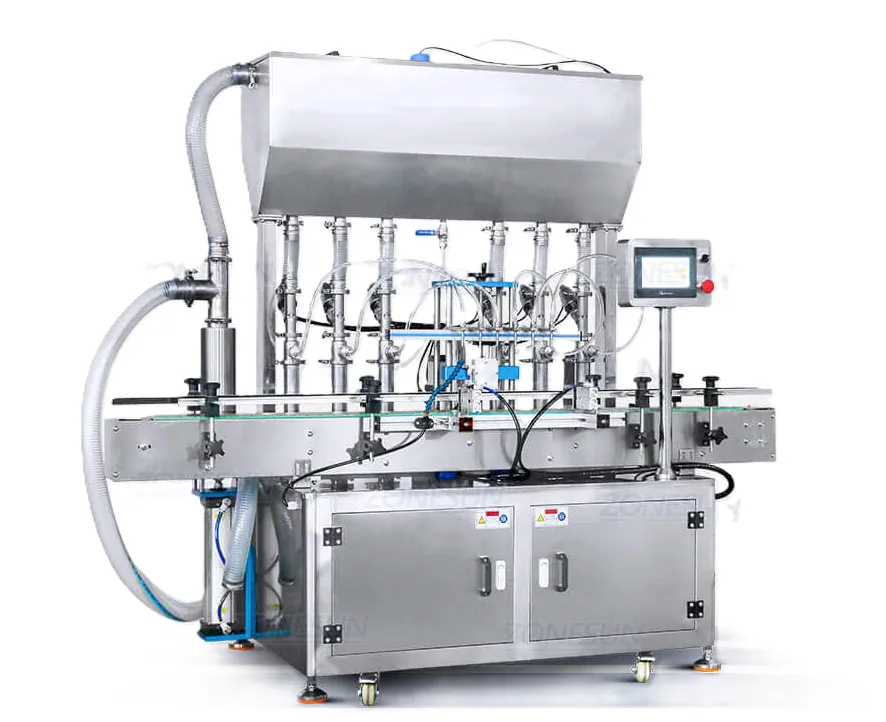
Six‑nozzle automatic piston filler for viscous products like cream, pesto or béchamel. Select a cylinder module (5–100 to 1000–5000 ml) and run precise volumetric fills.
High‑speed servo piston filler with following nozzles that track bottles on the move. Set volume directly on the touchscreen; electric‑eye detection and a feeding pump help maintain accuracy at speed.
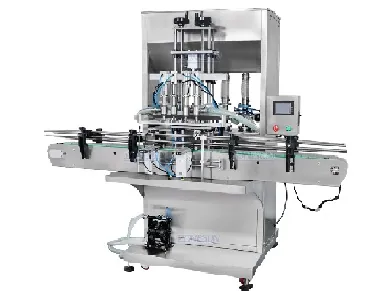
Equipped with diaphragm pump, this liquid filling machine can work automatically. The machine can fill about 30 bottles/min (at 5L). Each filling nozzle of this machine can be controlled separately.
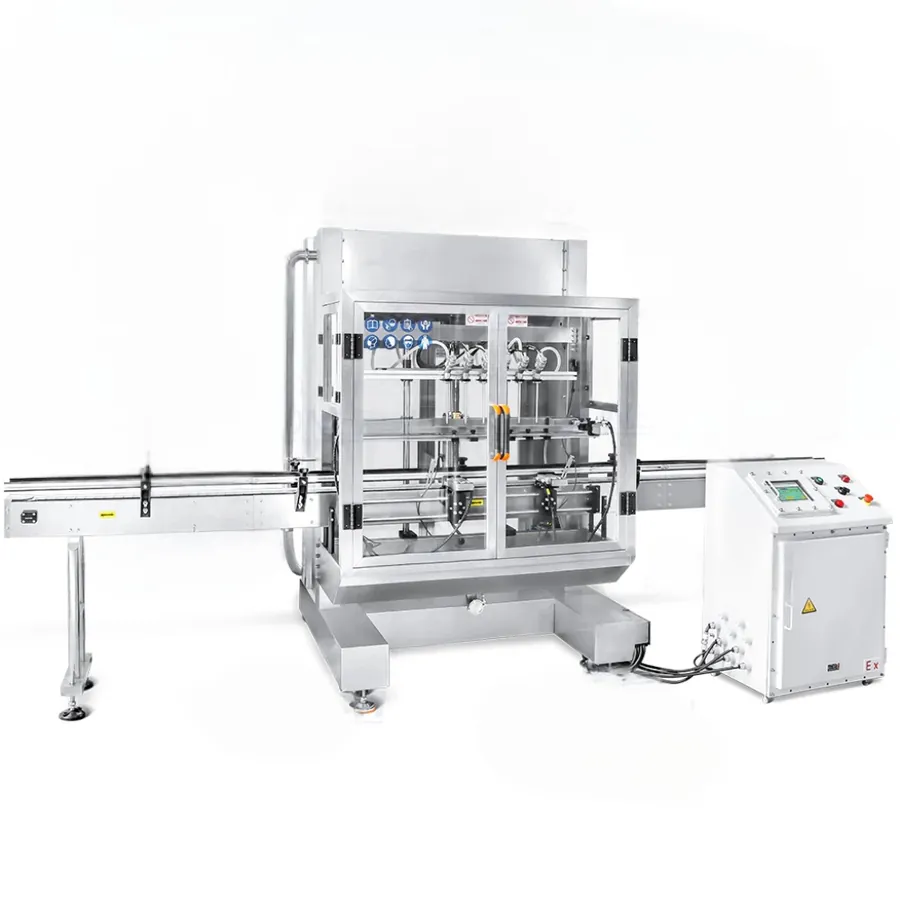
Automatic filling platform engineered for flammable solvents in zoned environments. Explosion‑protected electricals and pneumatic actuation reduce ignition risks and support compliance.
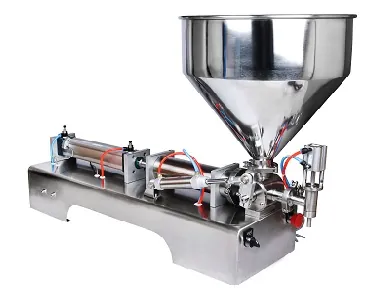
Pneumatic piston filler for liquids and pastes. Multiple cylinder ranges from 5–100 ml up to 1000–5000 ml; dual nozzles with anti‑drip deliver ≈10–50 bpm.
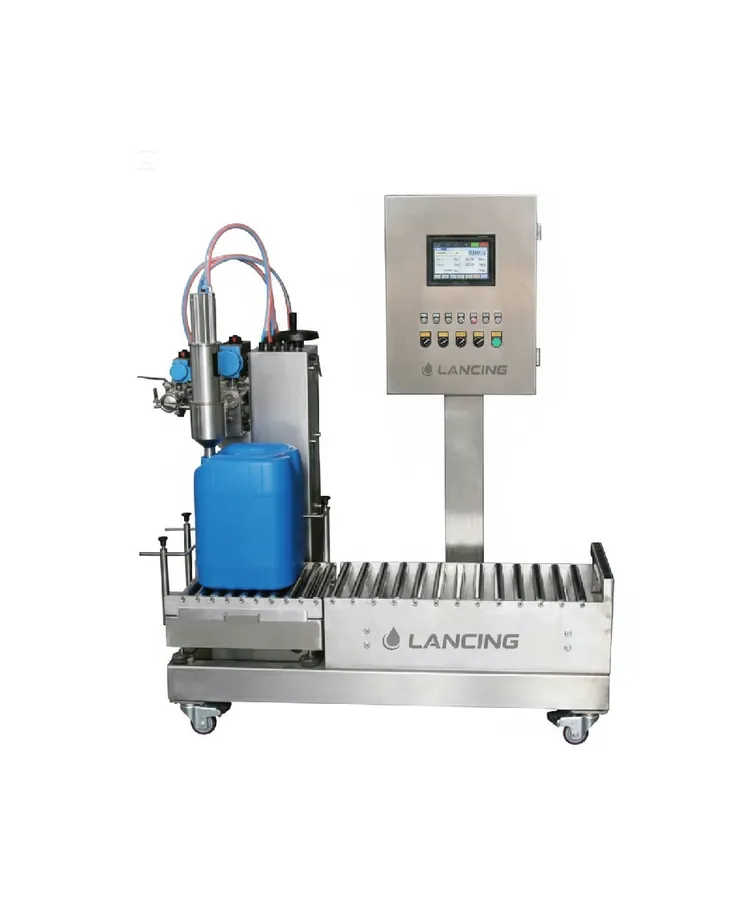
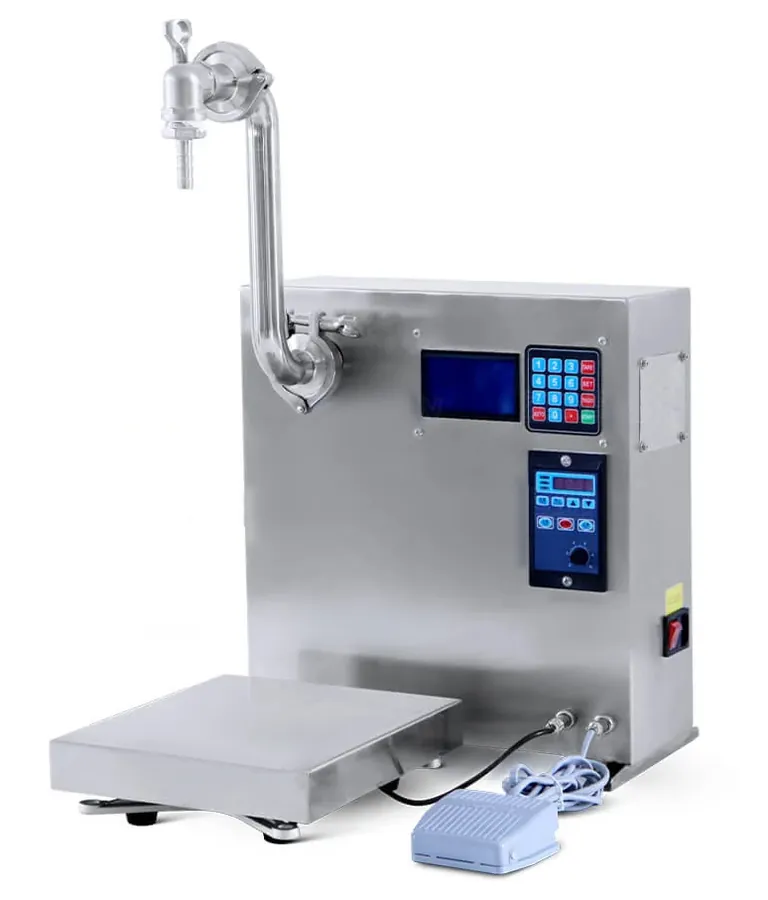
Bench‑friendly gear‑pump filler with built‑in weighing. High flow (up to 36 L/min) handles oils and thicker liquids. Set a target weight for simple, accurate fills.
Tell us what you are packaging and the output you need. We will use the page reference to route your enquiry to the right machinery specialist.
Define the paste behaviour at dosing and cut-off
Describe what the paste does during the existing filling process rather than relying on its product name. Note stringing, retained air, visible particles or changes with operating temperature where observed. Supply the intended container and a reference for the finished fill appearance so dosing and presentation can be assessed together.
Ask the review to cover replenishment and cleaning as well as a successful fill. Record the product remaining in the feed path at batch end and the steps needed to change product. These observations help compare the complete production task across the shortlisted configurations.
Product examples
Include the most difficult product in the range and explain how it differs from the main batch.
Acceptance record
Separate fill measurement, clean closure area and presentation checks.
Can a paste filler be selected by viscosity description alone?
That description helps, but samples, particles, fill quantity, container access and operating conditions provide the information needed for a useful assessment.
Message sent
Thanks — your message has been sent. We’ll get back to you shortly.